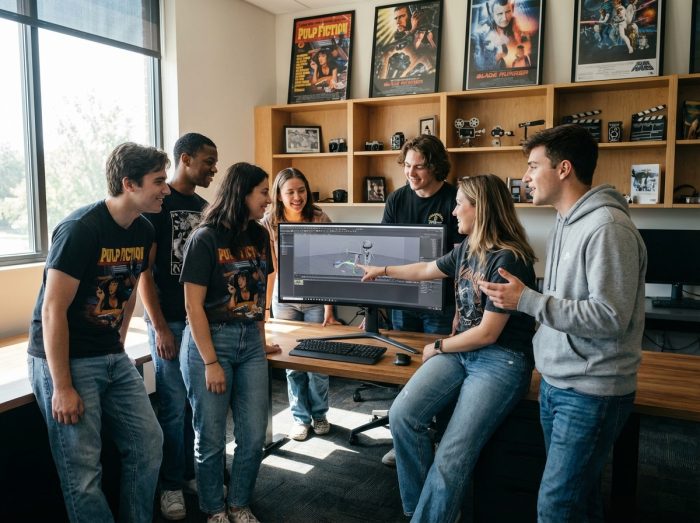
Since 2010, the number of students enrolled in programs dedicated to digital special effects has doubled in France, according to FICAM. However, the majority of these graduates do not aim for Hollywood, but rather for local or independent studios. Despite steady growth in the sector, the employability rate remains uneven across specializations, revealing increased competition for positions as supervisor or 3D designer. This dynamic creates a paradox: cutting-edge training continues to attract more candidates, while the most coveted opportunities remain scarce.
From Silent Film Illusions to Digital Worlds: The Fascinating Evolution of Special Effects in Cinema
The history of cinema is intertwined with that of special effects. From the very beginning, the seventh art drew on the inventiveness of technicians who were as much tinkerers as artisans. Méliès manipulated film to materialize the impossible, playing with light, tricking images, and altering the perception of an astonished audience. Then digital technology took over, taking the viewer well beyond the limits of film. Who has forgotten Jurassic Park and the thunderous entrance of the virtual dinosaur on screen, swinging wide the door to 3D and the digital revolution?
The adventure did not stop there. Each generation of artists and technicians has continued to reinvent the codes, merging workshop gestures with cutting-edge algorithms. Special effects have become the laboratory where tradition meets innovation, classicism intersects with computing power, and where magic still happens with each new feat.
More and more informed enthusiasts want to understand what lies behind the creation of these illusions. For curious cinephiles and those dreaming of participating in this transformation, special effects and 3D training for cinephiles is becoming almost a rite of passage. They provide access to both techniques and history, teaching how to transform a script into striking images, mastering both the pixelation of a set and the lighting of a scene.
Why Do 3D and Special Effects Inspire So Many Enthusiasts?
Cinema captivates because it gives flesh to the invisible. Special effects and 3D extend this power by shifting fiction into tangible imagination. Immersing oneself in these worlds goes beyond simple viewing: it is a desire to know how the magic works, how the artist’s gesture and the computer’s calculation overlap. For many, this learning becomes a quest for expression in its own right, a means to experiment, push the boundaries of reality, and embed their creativity at the very heart of the narrative.
3D does not just inhabit space; it raises new questions about our perception. A good virtual character imposes itself on screen, tells a story, and touches the audience. And behind each stunning sequence lie hours of visual composition, light correction, or universe design. Fans find fertile ground to engage in a dialogue between theory and practice, history and experimentation, in an exciting back-and-forth of rethought, crafted, and reinvented images.
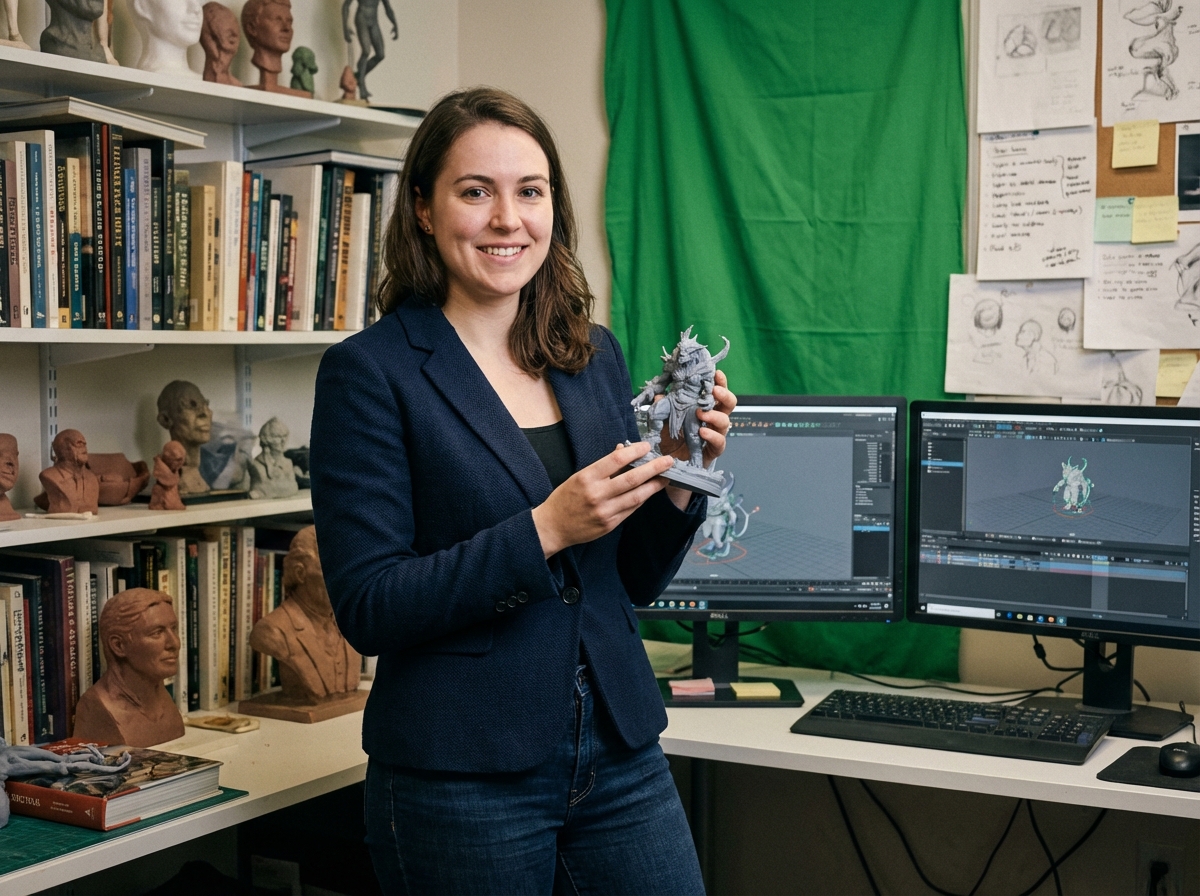
Exploring Behind the Scenes: Methods and Resources to Discover the World of Special Effects
Entering the creation of special effects means embracing curiosity, patience, and the willingness to test relentlessly. Today, the field of possibilities has opened up for all those who wish to understand, try, and invent. Here are some pathways to cross the threshold of studios, even without a technical background:
- Dedicated schools for contemporary cinema offer solid programs: 3D software, image analysis, lighting composition, all tools for progress.
- Workshops or short internships focused on image and new technologies allow for multiple field experiments: animation, programming, and compositing are available for discovery.
- The web is now full of free resources: specialized articles, tutorial videos, and webinars fuel the desire to advance and learn about a constantly evolving profession.
Opening the door to this universe also means revisiting history: remembering how pioneers manipulated an image or played with light to amaze. Today, the boundary between the set and the digital studio dissolves, making way for a new breed of multitasking creators, tinkerer-technicians-thinkers. The laboratory is no longer found only behind the camera; it is everywhere passion, experimentation, and the bold vision of future artists transform every image into a stimulating challenge.